Hianime Phishing: 7 Warning Signs the Site’s Shutdown Created a Scam Wave Bigger Than the Original Platform
I started noticing the pattern about two weeks after hianime.to posted its goodbye message in March 2026. Every Reddit thread asking “is hianime still up” had at least one reply pointing to a domain that looked right but wasn’t hianime.ms, hianime.site, hianimes.se, slight variations that a tired person scrolling on their phone at midnight would never catch. That’s the real story behind hianime phishing in 2026. It’s not really about the original platform anymore. It’s about what happened to a fanbase the moment the thing they trusted disappeared and a dozen impostors rushed in to fill the gap.
Hianime phising and yes, that misspelling itself is part of the problem, since typo-variant searches are exactly what scam sites optimize for describes a type of cyber scam where hackers build fake websites or run malicious ads designed to mimic the Hianime anime streaming platform, all aimed at stealing login credentials, payment details, or installing something on your device you didn’t agree to.
When you visit what you think is Hianime’s official site, or click a link promising free anime episodes, you might actually be interacting with a fraudulent website built specifically to harvest your data or infect your device with malware. The appeal of free anime streaming is exactly what clouds judgment here. People want the content badly enough that they skip past the subtle signs a fake site usually leaves behind.
What Hianime Phishing Actually Looks Like and Why So Many Domains Exist
The Domain Confusion That Makes Every Fake Site Plausible
Here’s the part that genuinely surprised me when I started digging into this: hianime fractured online presence isn’t a recent accident, it’s been baked into the brand’s identity for years. Even while the original site was still running, the brand existed across hianime.to, hianime.sx, hianime.mn, and hianime.nz simultaneously, with no clear signal to viewers about which domain was the “real” one at any given moment. Hianime official domain confusion was a problem long before the shutdown made it worse.
After March 2026, that confusion became the entire business model for scammers. Hianime.ms surfaced as an exact clone of the original site, matching the same branding, the same claim of 8744 titles claim, the same no-signup pitch but registered as a hianime recently registered domain with zero business registration records and no contact information anywhere on the page. Hianimes.se followed the identical playbook: hianime domain registered 31 to 92 days ago, no business records, three Reddit reports and five complaints calling it out as a fake proxy within weeks of going live.
What makes this particularly dangerous is that a clean security scan doesn’t mean a site is trustworthy. Hianime.ms returned zero malware detections across antivirus networks, a valid SSL certificate, no homoglyph domain tricks in the URL itself, and a calm server with no abuse reports on its hosting IP. None of that clears the site.
A clean scan only confirms the page isn’t actively hosting malware files at the moment you checked it says nothing about whether the business behind it is legitimate, whether it’s quietly harvesting data, or whether it’s preparing a donation scam that’s already showing up on Instagram and Reddit under the Hianime name. Hianime brand impersonation works precisely because the technical hygiene looks fine while the actual conduct behind the site doesn’t.
How Hianime Phishing Sites Actually Try to Steal From You
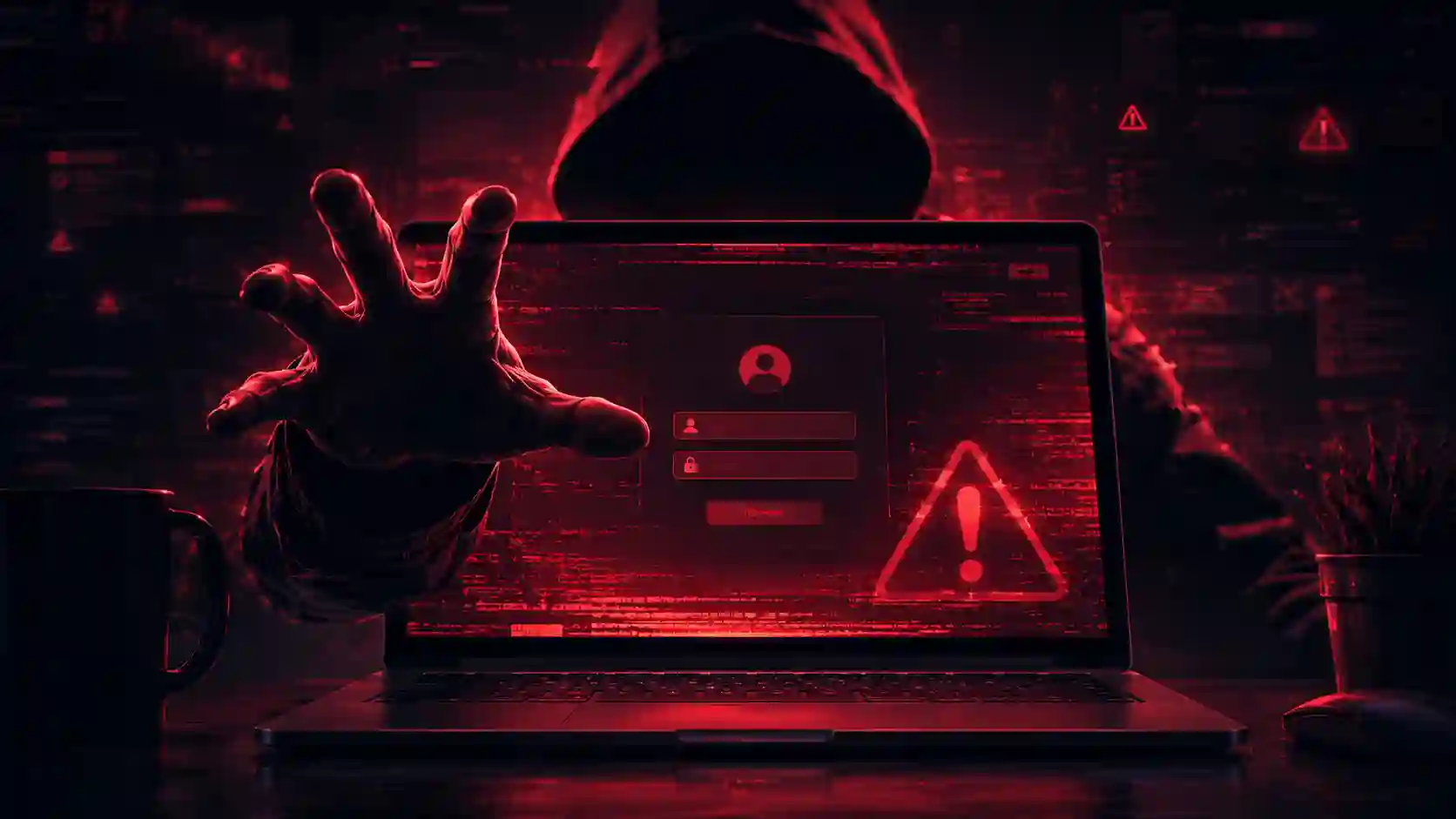
The attack methods themselves follow a fairly consistent pattern across every fake hianime site I’ve come across in research. Fake login page setups are the most direct version a screen styled exactly like Hianime’s real interface, asking you to sign in before you can stream, when the real platform never required an account in the first place. That mismatch alone is often the giveaway, but it’s easy to miss if you’re not looking for it.
Fake verification screen and fake CAPTCHA prompts are a quieter version of the same trick: a page asking you to click “Allow Notifications” or “Verify you are human” isn’t actually checking anything. Once you click through, you’ve enabled browser notification scam delivery, and the site will spam your desktop or phone with fake virus detected popup alerts and adult advertising even when your browser is completely closed.
Malicious download tactics target a different instinct. Buttons labeled Download HD button or Install Player button are rarely linked to actual anime files. They’re built to deliver an executable file scam .exe file malware on Windows, .dmg file malware on Mac disguised as the episode or player you think you’re getting. Click one of those, and depending on what’s packaged inside, you could end up with a browser hijacker, adware, or in worse cases, ransomware or spyware running quietly in the background. Drive-by download risk is comparatively rare on modern, fully patched browsers, but it climbs sharply the moment you start actively downloading files rather than just streaming through the browser window.
Then there’s the pure social engineering layer, which doesn’t need any technical exploit to work. Deceptive offer tactics dangling exclusive episode scam content or leaked scene scam material exploit something specific: scammers are tapping into the emotional connection fans have with these stories, and they know it. Free trial scam pages asking for payment information to “unlock premium features” that the real platform never charged for in the first place are everywhere.
Donation scam posts circulating on Instagram and Reddit, asking fans to send money to support the platform, are confirmed fakes any account claiming to represent Hianime asking for donations should be treated as unauthorized impersonation. Tech support scam popups claiming “Your PC is infected, call this number” prey on panic rather than curiosity. Betting site redirect, adult dating site redirect, and pornographic pop-up traffic frequently appear through invisible overlay elements that trigger the moment you click anywhere near the video player you don’t even have to click a specific ad, just interacting with the page at all can open a new tab pointed somewhere you never intended to go.
Crypto checkout scam and non-delivery scam patterns show up on sites pretending to sell premium access, taking payment, and delivering nothing. Predatory link bait like iPhone giveaway scam banners round out the picture low-effort, high-volume traps designed to catch whoever clicks fastest.
The Real Consequences If You Fall for Hianime Phishing — And How to Actually Check Before You Click
What Happens After Your Information Gets Stolen
The consequences here aren’t abstract. Stolen credentials from a fake hianime phishing login page become dangerous fast if you’ve ever reused that password anywhere else password reuse risk means a single compromised login can cascade into account takeover across email, banking, or social accounts within hours.
Credit card theft through a fraudulent checkout page leads directly to financial loss, and chargebacks aren’t always guaranteed depending on how quickly you catch the charge. Once your information is out there, dark web data sale and third party data selling become real possibilities your browsing data harvested through tracking scripts on these sites doesn’t just disappear, it gets packaged and resold. In uglier cases, blackmail scam attempts follow once someone has enough personal data to make a threat credible.
There’s a separate, quieter risk that has nothing to do with malware at all: legal exposure. Streaming without license through any unofficial platform carries copyright infringement risk, and Hianime specifically has faced a DMCA subpoena from ACE the Alliance for Creativity and Entertainment which included a Cloudflare subpoena requesting that the company disclose information about people distributing infringing material through the platform.
Piracy legal trouble is a real possibility depending on your jurisdiction, separate entirely from any phishing risk. And because sites like this operate with no GDPR compliance and no CCPA compliance, your data privacy risk extends beyond any single scam incident there’s no regulatory body holding the platform accountable for how your information gets used, which means personal information at risk is a standing condition of using the service at all, phishing scam or not.
How to Verify a Site Before You Trust It
Verification is genuinely the strongest defense here, and it takes under two minutes once you know which tools to use. Running a VirusTotal scan on any suspicious URL checks it against dozens of antivirus engines simultaneously free, fast, no account required. Checking a Scamadviser score gives you a trust rating out of 100 based on domain age, hosting patterns, and reported complaints; for context, hianime.ms scored a dismal hianime Scamadviser score 24 100 on at least one scan, while hianime.to itself carried a hianime.to trust score 35 on a separate trust index, both numbers that should make anyone pause before entering any information.
A Gridinsoft scan or MalwareTips scan adds a second layer of cross-referencing against scam-report databases and consumer-review sites. PCRisk score and Quttera scan results round out the picture if you want a third opinion before proceeding.
Beyond automated tools, a few manual checks matter just as much. Domain age check and WHOIS lookup reveal whether a site was registered last week or years ago a brand-new domain claiming to be an established streaming platform is a textbook red flag. Business registration check confirms whether there’s an actual legal entity behind the operation, and SSL certificate check plus HTTPS verification confirm the connection itself is encrypted, though remember this only protects data in transit, not whether the destination is trustworthy.
Look-alike domain pattern recognition training your eye to spot extra characters, swapped letters, or unusual endings like .ms, .se, or .site tacked onto a familiar name is the single most useful habit you can build, because brand fingerprint detection tools exist specifically because humans are bad at catching these differences under normal browsing speed. Running an antivirus scan hianime check before downloading anything, keeping uBlock Origin active as a baseline ad blocker, and routing your connection through a reputable VPN like NordVPN or BearVPN adds practical protection layers even if you do end up on a site you shouldn’t have.
If you’re genuinely asking whether you should bother with any of this versus just walking away entirely that’s worth sitting with honestly. Hianime safe for minors is a flat no regardless of phishing risk specifically, since there are no parental controls, no content filtering for mature material, and predatory links are statistically more likely to catch a child clicking “you won a free iPhone” than an adult who’s seen the trick before. For everyone else, the calculus is yours to make, but it should be made with full information rather than assumption.
Hianime Phishing Recovery Steps and the Safer Path Forward
What to Do Immediately If You Think You’ve Been Targeted
If you’ve already clicked something you shouldn’t have, speed matters more than panic. Change the password tied to whatever credentials you entered immediately, and change it everywhere else you’ve reused that same password assume the worst-case cascade and act accordingly rather than hoping it doesn’t spread. Enable multi-factor authentication on your email first, since email controls password resets for nearly everything else you own.
Contact your bank or card issuer directly if any payment information was entered anywhere on the suspicious site, and request a card freeze or replacement rather than waiting to see if a charge appears. If a download happened, run a full antivirus scan hianime check before doing anything else on that device, and disconnect from shared networks until the scan completes if you’re on a household or office connection with other devices attached.
Watch specifically for follow-up scam attempts in the days after phishing messages, fake refund offers, and copycat scam sites frequently target people who’ve already been caught once, operating on the assumption that a person who fell for it the first time is statistically more likely to fall for a second attempt dressed up differently. Document what happened while it’s fresh: screenshots of the site, the URL, any messages received. That record helps if you need to file a report or dispute a charge later, and it helps the broader community when you share it, since “I lost money on a fake checkout page” is genuinely more useful to the next person than a vague warning with no specifics attached.
The Sustainable Alternative That Removes the Risk Entirely
The honest, longer-term fix isn’t better phishing detection skills it’s removing the incentive structure that makes phishing profitable in the first place. Licensed anime streaming through Crunchyroll, Funimation, Netflix, Hulu, or HIDIVE eliminates the entire category of risk discussed here, because none of these platforms need to disguise themselves across a dozen lookalike domains, none of them ask you to click suspicious download buttons, and none of them depend on selling your browsing data because subscription revenue actually funds the operation.
YouTube official anime channels cover a surprising amount of legally available content for free, with none of the domain confusion that makes hianime phishing possible in the first place. A verified anime platform doesn’t need WHOIS privacy hiding its ownership, doesn’t need five complaints before anyone notices something’s wrong, and doesn’t leave you wondering which of six near-identical domains is the one that won’t steal your password tonight.
Subscription based anime costs something real, and I understand why that’s a genuine barrier for a lot of people but it’s worth weighing against what a single successful phishing attempt actually costs once you account for password resets across every reused account, a potential card replacement, and the time spent untangling whatever got compromised. A safe anime streaming site charging a few dollars a month is, in the long run, often the cheaper option once you price in everything free streaming can actually cost you.